Over the years I have been approached by patients who seek my care in an effort to bypass conventional medicine. It’s understandable, as many are dissatisfied by the tendency of conventional medicine to focus on high-tech interventions and pharmaceutical management of established disease. There are beneficial aspects of conventional care, most notably acute and surgical care, but I am concerned about those forgoing the preventive aspects of conventional medicine, such as cancer screenings, immunizations and medications that can prevent complications or progression of disease. In addition, I have also seen those declining curative cancer therapy.
With the recent and ongoing threat of COVID-19, we are reading more than ever about the immune system, its function, and its failures. And while it would be a hopeful prospect to improve upon a normal and/or healthy immune system, there is little to no evidence that we can take supplements or drink juices to make it work more efficiently. In short, “immune-boosting” is not a possibility.
The good news is that we can make changes in our daily lives to maintain a normal immune response. Here are a few ways that we can keep our system strong.
The term “immune-boosting” has been a pet peeve of mine for a number of years, as it falls into the category of health trends with no medical backing. I suspect the concept stems from vaccine literature, referencing a “booster” as an additional dose of vaccine given to re-expose a patient to the immunizing agent.
When I meet a new patient I spend 90 minutes with them, piecing together an extensive timeline, working decade by decade to create a thorough personal history, both generational and environmental. It’s the first step in developing a holistic view of the patient. The next step is testing – looking for the normal, the abnormal, and the path toward prolonged health and vital aging.
This year, I expanded my offerings to include new methods of health assessment, bringing in tools that screen for and monitor biomarkers of health and risk of disease. In the weeks to come, I will be sharing information on the office’s new technology. I hope that you, too, will recognize the importance of wellness through prevention and not wait until you are “sick enough” to take steps toward living optimally.
When I meet a new patient I spend 90 minutes with them, piecing together an extensive timeline, working decade by decade to create a thorough personal history, both generational and environmental. It’s the first step in developing a holistic view of the patient. The next step is testing – looking for the normal, the abnormal, and the path toward prolonged health and vital aging.
This year, I expanded my offerings to include new methods of health assessment, bringing in high-tech tools that screen for and monitor biomarkers of health and risk of disease. In the weeks to come, I will be sharing information on the office’s new technology. I hope that you, too, will recognize the importance of wellness through prevention and not wait until you are “sick enough” to take steps toward living optimally.
For years I have fielded questions from patients about health trends that are
touted by celebrities, reported on the internet and published in books. Lately,
health-related “fake news” seems to be even more pervasive than ever,
consistently providing the public with medical misinformation.
After receiving my initial cancer diagnosis, I became acutely aware of making my day-to-day life more manageable, both mentally and tangibly. I feel very grateful for the advice and discoveries that helped to navigate my experience as a cancer patient and to live intentionally.
A crucial element of my prehabilitation regimen was nutrition. While I have always been committed to a nourishing diet of clean protein, healthy fats, and an abundance of vegetables, as my surgery approached I decided to research the ways in which my body would be best prepared for the experience.
Studies show that a contributor to successful rehabilitation is prehabilitation or prehab, an exercise program started prior to surgery. Formerly affiliated with orthopedic operations such as knee and hip replacements, prehab has become more mainstream in the treatment of cancer patients, as early research reveals that becoming fit prior to cancer surgery may reduce the risk of cancer recurrence and progression, improve the effectiveness of treatment, reduce the side effects of chemotherapy and improve energy, self-image, confidence, and quality of life.
February is American Heart Month, and as heart disease is the leading cause of death for men and women in the United States, it’s not only a good time to raise awareness about heart health, but to address how excessive exercise affects this essential organ.
Studies show that when it comes to exercise there is a “sweet spot,” and that high levels of intense exercise may be damaging to the cardiovascular system. Makes sense, as when we add stress to our hearts we raise the risk for skyrocketing blood pressure and atrial fibrillation, an irregular heart rhythm that can lead to heart failure or stroke. Research reveals that most at risk are white men who exercise at high intensity, and that prolonged high intensity exercise may increase the risk of death from a heart attack or stroke in those who already suffer from heart disease. In addition, data suggests that those who consistently train for and compete in endurance events, such as marathons and long distance bicycle races, are at risk to experience heart-related consequences.
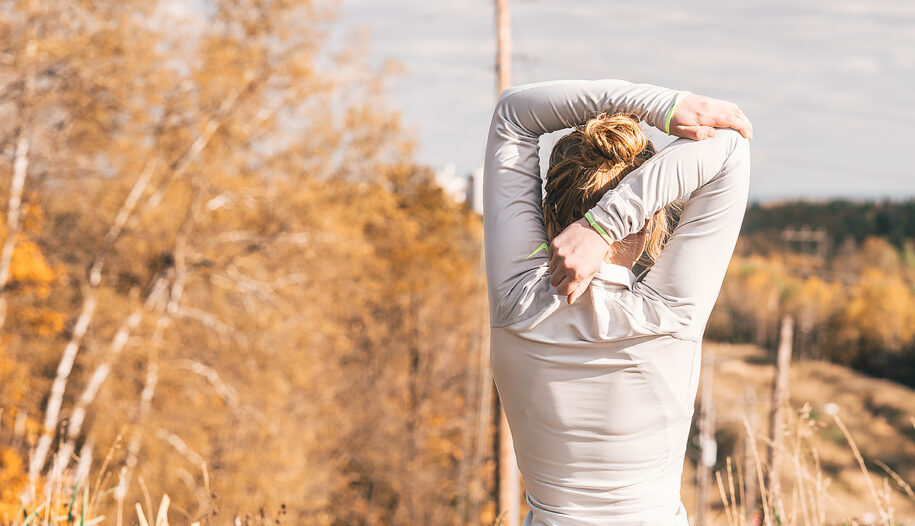
But don’t toss the treadmill just yet. High intensity and extreme exercise are loosely defined as several hours of vigorous exercise almost every day, which describes elite and/or endurance athletes. The U.S. national guidelines for exercise call for 150 minutes a week — roughly 20 minutes per day — of moderate-intensity exercise, such as walking, hiking and golfing, or 75 minutes a week of vigorous activities, such as running, biking, swimming and strenuous sports.
Let’s face it: An active lifestyle can lead to a healthy life, so omitting exercise is not a wise decision. Inactivity increases our risk of obesity, heart disease, type 2 diabetes and more. In fact, a new study claims that bypassing exercise and maintaining a sedentary lifestyle may be more harmful to your health than smoking. Exercise not only offers improved physical health, but significant mental and emotional advantages as well, including enhancing mood and self-esteem, boosting energy and alleviating depression.
If you are worried about your blood pressure spiking to an unhealthy level, it may be advantageous to check it before and after exercise, with a goal of keeping the systolic (top) number below 190. And if you are an endurance athlete, mention your regimen to your physician and perhaps you can schedule routine checks of your heart and vitals. As with most aspects of a healthy and fulfilling life, balance is key.